
Free vs Paid E-commerce Platforms | Which Is Better for Your Business?
Published By
Siyahfy| on
2026-05-09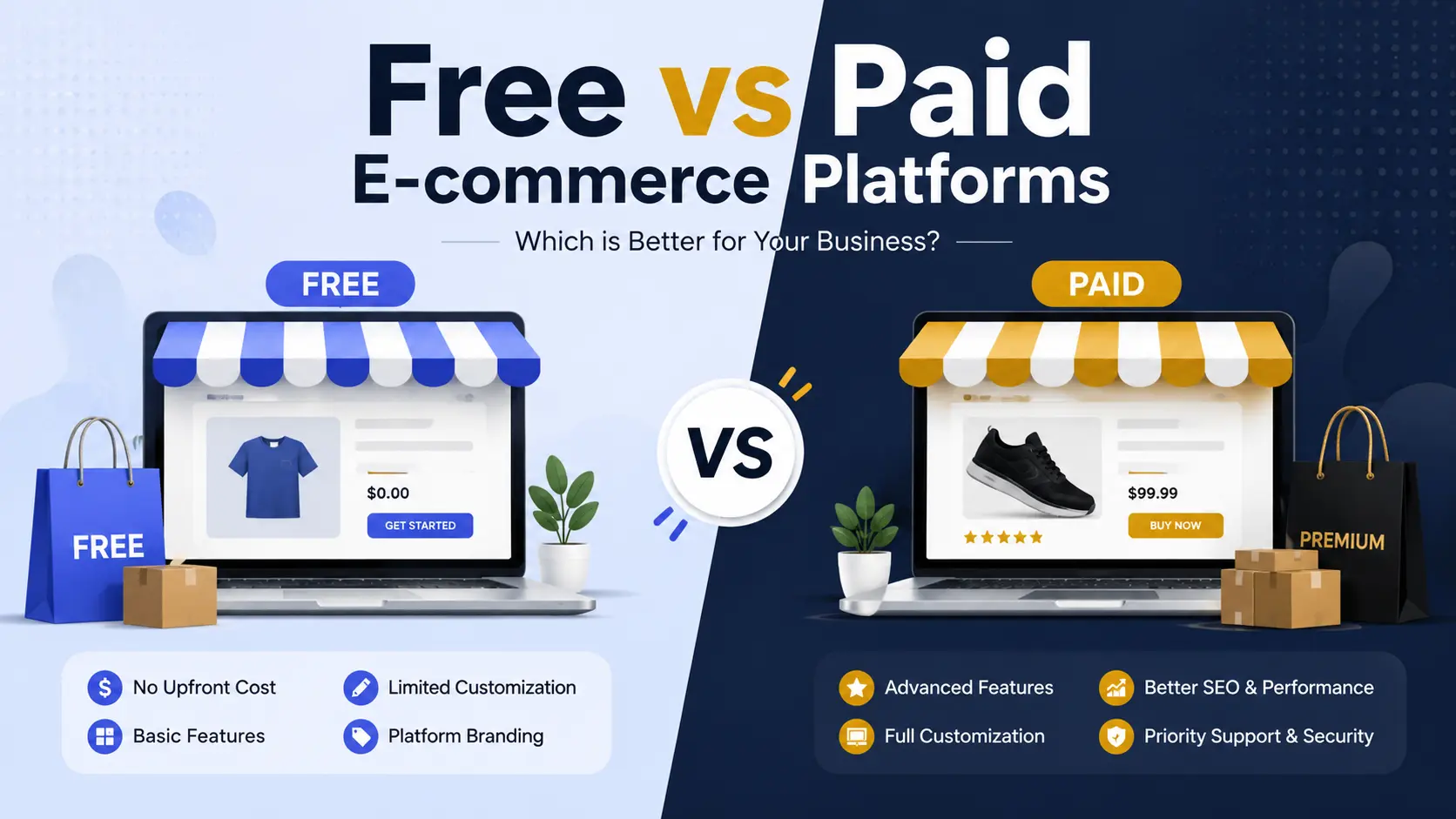
- What Is a Free E-commerce Platform?
- The Real Cost of Free Platforms
- What Is a Paid E-commerce Platform?
- Free vs Paid E-commerce Platforms – Key Differences
- Where It Really Matters
- 1. Customization
- 2. SEO Performance
- 3. Scalability
- 4. Security and Support
- 5. Branding and Customer Trust
- Who Should Use a Free Platform?
- Who Should Use a Paid Platform?
- Why Growing Businesses Are Choosing Platforms Like Siyahfy
- Conclusion
Starting an online store sounds exciting… until you have to choose the platform.
And that’s where most businesses get stuck.
Should you go with a free e-commerce platform to save money? Or invest in a paid platform for better features and long-term growth?
The truth is, there’s no one-size-fits-all answer. But there is a smarter way to think about it.
In this post, we’ll break down the real differences between free and paid e-commerce platforms, including the hidden costs most people don’t talk about, so you can make the right call for your business.
What Is a Free E-commerce Platform?
A free e-commerce platform lets you create an online store without paying upfront platform fees.
Popular examples include:
- Wix Free Plan – drag-and-drop builder with basic store features
- Square Online (Free tier) – good for small local businesses
- WooCommerce – free plugin for WordPress (though hosting costs apply)
These platforms typically offer basic store setup, a handful of themes, limited product listings, and simple payment options.
Free platforms work well for:
- Complete beginners testing a business idea
- Hobby stores or side projects
- Very limited budgets
But here’s what the “free” label often hides.
The Real Cost of Free Platforms
Most free platforms aren’t truly free; they shift costs elsewhere:
- Transaction fees – Some charge 2–3% per sale on top of payment processor fees
- Forced branding – Your store URL or footer may show the platform’s name (e.g., yourstore.wixsite.com), which looks unprofessional
- Paid plugins – Core features like abandoned cart recovery, advanced SEO, or email marketing often require paid add-ons
- Migration costs later – If you outgrow the platform, moving your store, products, and customer data is expensive and time-consuming
So while you save money upfront, the long-term math often doesn’t add up.
What Is a Paid E-commerce Platform?
Paid platforms offer advanced features, better flexibility, and more control over your store. You typically pay a monthly or yearly subscription, usually anywhere from $20 to $100/month, depending on the plan and features.
Popular examples include:
- Shopify – one of the most widely used paid platforms globally
- BigCommerce – strong for larger catalogs and B2B
- Siyahfy – a modern platform built for businesses that want ease of use, fast performance, and professional branding without unnecessary complexity
Paid platforms are best for:
- Growing businesses with real sales targets
- Brands focused on SEO and organic traffic
- Sellers running paid ads and marketing campaigns
- Anyone serious about building a long-term online presence
Free vs Paid E-commerce Platforms – Key Differences
| Feature | Free Platforms | Paid Platforms |
| Initial Cost | No upfront cost | ~$20–$100/month |
| Hidden Costs | Transaction fees, paid plugins, branding | Mostly transparent pricing |
| Customization | Limited themes and layouts | Full design and branding control |
| SEO Tools | Basic settings only | Advanced SEO, meta controls, structured data |
| Website Speed | Can be slow with limits | Optimized for performance |
| Scalability | Struggles at higher traffic/volume | Built for growth |
| Security | Basic SSL, limited updates | Advanced security, regular patches |
| Support | Community forums or email only | Dedicated technical support |
| Branding | Platform branding may appear | Full professional brand control |
| Best For | Testing ideas, hobby stores | Serious online businesses |
Where It Really Matters
1. Customization
Free platforms often leave your store looking like thousands of others with the same templates and layouts. Paid platforms give you full control over design, customer experience, and brand identity. If how your store looks matters to your customers, this gap is significant.
2. SEO Performance
SEO is how your store gets found on Google without paying for ads. Free platforms often limit your ability to customize URLs, meta tags, and page speed, all factors Google cares about. Paid platforms typically include advanced SEO controls, faster load times, and mobile optimization built in.
3. Scalability
A free plan may work fine with 20 products and 50 visitors a month. But as you grow, you’ll hit storage limits, speed drops, and integration restrictions. Paid platforms are built to scale smoothly, whether you have 100 or 100,000 monthly visitors.
4. Security and Support
When something breaks during a busy sales season, you need fast help. Free platforms usually offer only community forums or slow email support. Paid platforms provide dedicated support, regular security updates, and backup systems, because downtime costs you real money.
5. Branding and Customer Trust
Customers notice details. A store URL like yourstore.platform.com or a footer that says “Powered by [Brand Name]” can quietly undermine trust. Paid platforms let you own your brand completely, with a custom domain, clean design, and no third-party logos in sight.
Who Should Use a Free Platform?
Free platforms make sense if you are:
- Testing a business idea before committing real money
- A hobby seller with no plans to scale
- A student or freelancer building a portfolio store for learning purposes
There’s no shame in starting free. It’s a smart way to validate your idea before investing.
Who Should Use a Paid Platform?
Invest in a paid platform if you are:
- Building a real business with growth goals
- Running marketing campaigns (SEO, ads, email)
- Selling professionally to customers who expect a polished experience
- Planning to scale your product catalog or traffic over time
Your website is your 24/7 digital salesperson. Giving it the right tools makes a measurable difference.
Why Growing Businesses Are Choosing Platforms Like Siyahfy
Modern businesses don’t just want a website builder; they want a complete toolkit. Fast performance, clean design, secure payments, SEO-ready structure, and room to grow, without wrestling with complicated setups.
That’s exactly what Siyahfy is designed for. Whether you’re launching your first store or scaling an existing brand, Siyahfy combines professional-grade features with a workflow that doesn’t get in your way.
Conclusion
Free platforms are a perfectly valid starting point. But if you’re serious about growing online, migrating later is always harder and more expensive than starting right.
Choose a platform that matches where you want to be, not just where you are today.
Ready to build a store that grows with your business?
Explore what Siyahfy can do for you, and start selling smarter.
Have questions about choosing the right platform? Drop them in the comments below, and we’ll help you figure it out.


